For a new D2C product, creators are often the fastest way to borrow trust. A shopper who has never heard of your brand will listen to someone they already follow, especially in skincare, makeup and fragrance, where people want to see the product on someone's skin before they buy.
Without a plan, though, a launch turns into a scatter of posts that go up, collect a few likes and vanish. A proper strategy settles who you work with, what they make, when it goes out and how you'll know whether it worked. This is what we've seen work for launches in India in 2026.
Choose the right influencer tier for the goal
Most launches don't need a celebrity. Pick tiers based on what the launch has to achieve.
- Nano influencers (roughly 1K to 10K followers): small, close audiences and reviews that feel personal. Many are open to barter. Good for early social proof and plenty of content.
- Micro influencers (roughly 10K to 100K): focused niches like skincare routines, budget makeup or ethnic fashion. Good for targeted reach and a mix of awareness and sales.
- Macro influencers (100K and up): wide reach for big launches, at a higher cost and with less flexibility.
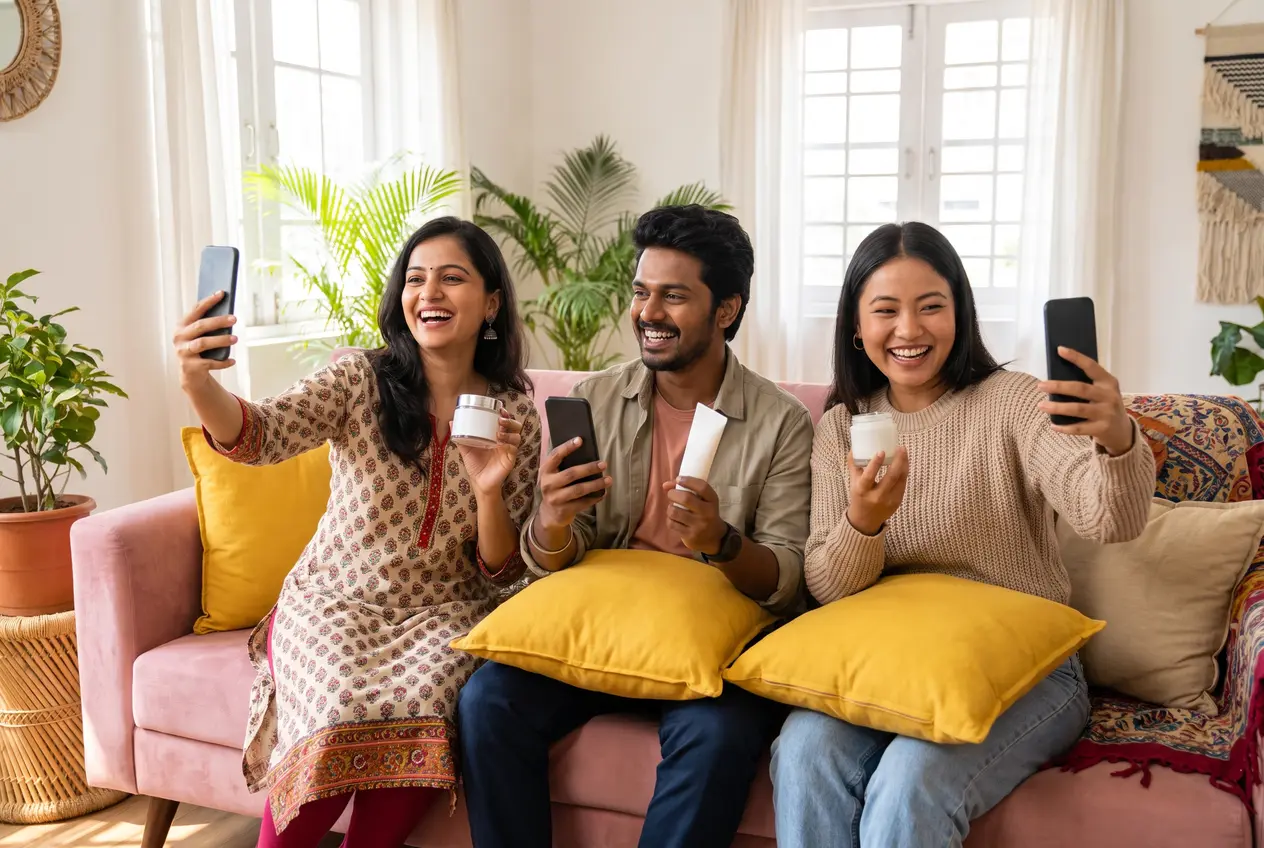
Many D2C launches mix tiers: a wide base of nano and micro influencers for volume and trust, plus a few larger names for reach on launch day. Look at the niche and the audience before the follower count. A micro influencer who reviews sunscreen for oily skin may be worth more to a skincare brand than a general lifestyle account three times the size.
Look beyond vanity metrics
Follower count on its own tells you very little. Before we shortlist anyone, we check these.
- Engagement quality: comments with actual questions in them, beyond emojis and "nice pic"
- Audience fit: city, age and gender split, language and interests (ask for screenshots of their insights)
- Content quality: lighting, editing and whether their past brand posts felt natural
- Past collaborations: what they've promoted recently, and whether a competing product was in the last few weeks
- Values and tone: would their audience care about your product at all?
Ask for an insights screenshot or a media kit before you agree terms. Serious creators expect it.
Barter vs paid collaborations
In India a lot of collaborations start as barter, where the creator gets free product in exchange for content. Barter and paid can both work, but they suit different situations.
Barter collaborations work well when:
- The product is worth the creator's time and fits their content
- You're working with nano and smaller micro influencers
- You want volume and variety for social proof and UGC-style content
The downsides: less control over timelines, fewer guaranteed deliverables, and creators who may deprioritise barter work when paid projects come in.
Paid collaborations make sense when:
- You need specific deliverables on specific dates (a launch-day Reel, a Story set with a link)
- You want usage rights to run the content as ads
- You're working with established creators whose time is in demand
Many brands use a hybrid: product plus a fixed fee, or barter for the first collaboration and paid for repeat partners. Whatever you choose, write the terms down: deliverables, dates, revisions, usage rights and payment schedule.
Use creative briefs, not scripts
Creators know their audience better than you do. Give them a clear brief and let them say it their way.
- What the product is, who it's for and what makes it different
- Three or four key points to cover (not a word-for-word script)
- Visual dos and don'ts, including claims they must not make
- Mandatory tags, handles, links, codes and the disclosure label
- Deadlines for drafts, review and go-live
Be careful with claims in beauty and personal care. Creators should talk about their own experience and stay away from promising medical results. Our cosmetics marketing work follows the same rule.
Follow ASCI disclosure guidelines
In India, the Advertising Standards Council of India (ASCI) has guidelines for influencer advertising. In short, when a creator is paid or gets free product or any other benefit from a brand, the post should carry a clear disclosure such as #ad, #collab, #sponsored or the platform's "Paid partnership" label.
The label should be easy to spot straight away. Burying it at the end of a long caption or in a pile of hashtags doesn't count. For video, it should be visible in the video itself as well as in the caption. Put the disclosure requirement in your brief and check it before approving content. Read ASCI's current guidelines directly for the full detail, since they're updated from time to time.
Mix formats and platforms
Stories alone won't carry a launch. Spread it across formats.
- Instagram Reels: tutorials, first impressions, get-ready-with-me, before-and-after (only where the result is fair to show)
- Instagram Stories: links, swipe-ups, polls and countdowns for launch day
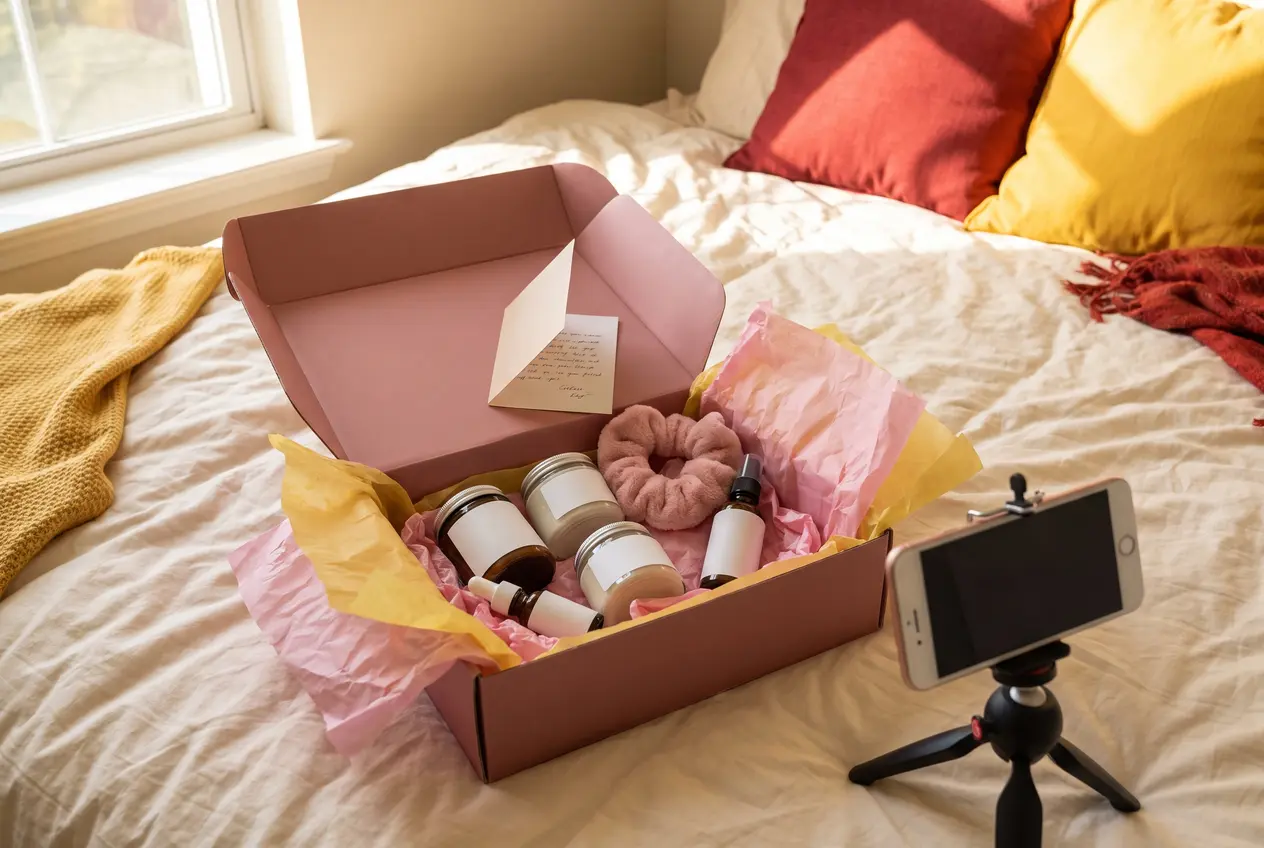
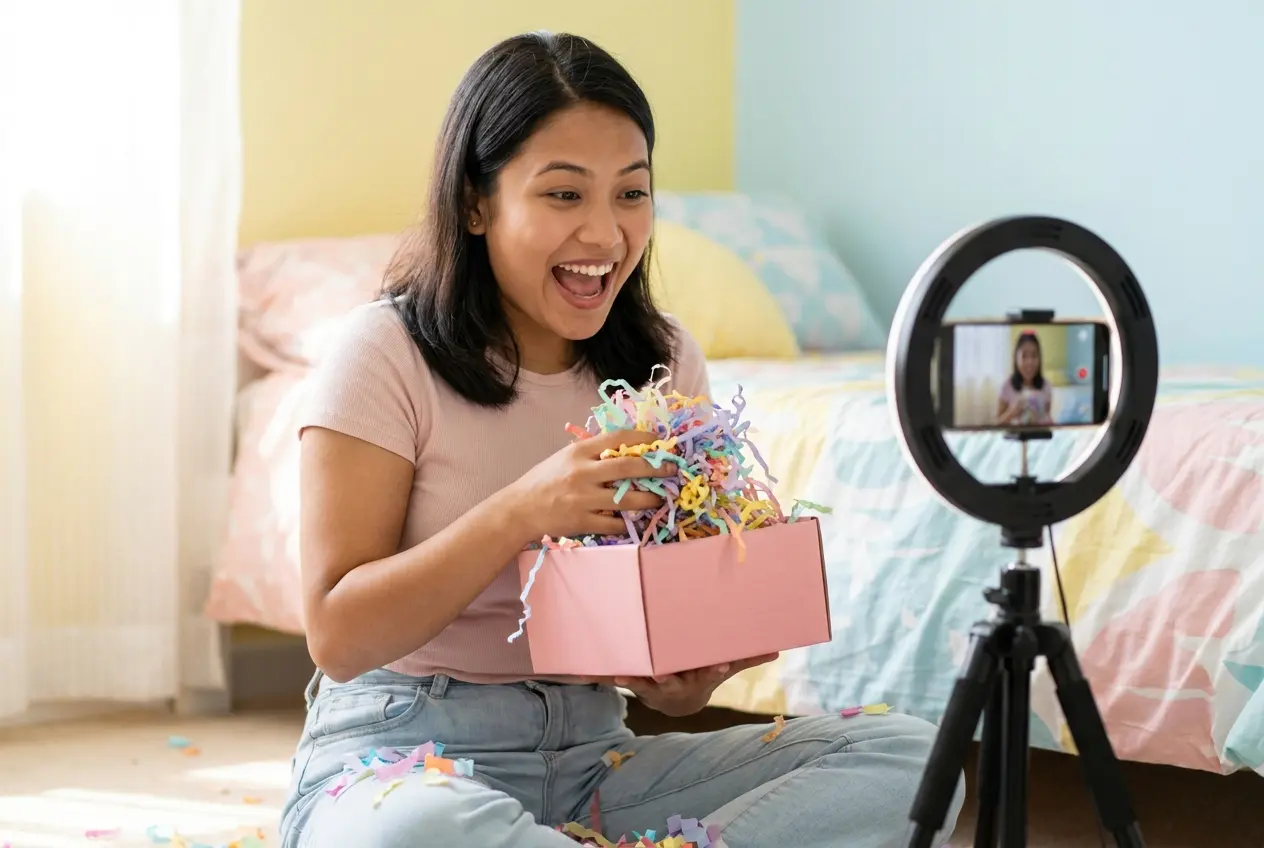
- YouTube: longer reviews, unboxings and integrations
- YouTube Shorts: quick cut-downs of longer reviews
- Live sessions: Q&A with the founder and a creator on launch day
Each format reaches slightly different people, and you end up with more content to reuse.
UGC-style content often beats polished content
At launch, content that looks like everyday use usually feels more believable than a perfect studio ad. We ask some creators to film on their phones, react naturally and skip the script. Combine this with a polished hero shoot for your product pages and key visuals; our content shoot and production team can run both on the same day.
Reuse the best creator content across ads, product pages and emails, as long as your agreement includes usage rights.
Build the launch in phases
We run launches in four phases.
- Tease (a week or two before): hints, countdowns, "something's coming"
- Reveal (launch day): first looks, reviews and links go live together
- React (first two weeks): reviews, routines, comparisons, customer reposts
- Reinforce (after): reminders, Q&As, giveaways, repeat creators
For festive launches, around Diwali or wedding season for perfumes and gifting categories, start the tease phase early so reviews are live before people shop. Planning a pop-up or campus event for the reveal? Our experiential marketing ideas for Gen Z cover how to make it worth filming.
Boost the best posts with paid ads
A creator's organic reach only goes so far. Running the best posts as ads, either as Instagram partnership ads or as creatives in your own campaigns, gets them in front of far more people. You'll need the creator's permission and usage rights agreed upfront. Our performance marketing team plans these alongside your regular Meta and Google Ads.
Track what matters
Give each creator their own UTM link and discount code, and track:
- Clicks, add-to-carts and orders by creator
- Code redemptions
- Saves, shares and comments, not just views
- Cost per order or return on ad spend for boosted content
Use it to decide who to bring back. The creators who drove orders (views alone don't count) are the ones worth a long-term deal. Before you scale, read about the influencer marketing mistakes brands make so you avoid the common traps.
FAQs
Are micro influencers better than macro influencers for a launch?
It depends on the goal. Micro and nano influencers usually give you more content, closer audiences and better value for social proof; macro influencers give you reach. Many launches combine both.
Should I pay influencers or offer barter?
Barter can work with smaller creators when the product fits their content well. Pay when you need guaranteed deliverables, fixed dates or usage rights for ads.
Do influencers in India have to label sponsored posts?
Yes. ASCI's guidelines say paid or gifted collaborations should carry a clear, upfront disclosure such as #ad or the platform's paid partnership label. Check the current guidelines for full details.
How do I measure influencer marketing for a launch?
Give each creator a unique UTM link and discount code, then track orders, code redemptions and content saves and shares by creator.
GrooveNexus Studios runs launch campaigns end to end, from creator shortlists and briefs to approvals and reporting, through our influencer marketing service. Tell us about your launch and we reply within 1 business day.