Most of the work on a brand video happens before anyone picks up a camera. A 30-second Reel or a one-minute ad film sits on top of a brief, a script, a shot list, a few bookings and dozens of small decisions. Get those right and shoot day is calm. Skip them and it overruns.
If you're planning your first proper brand video shoot, here's how it goes on our sets, stage by stage, including the decisions that fall to you and the places where budgets and timelines usually slip.
Stage 1: The Brief
The shoot starts on paper. A good brief gets everyone (your team, the director, the crew and any creators) pointing the same way.
A useful brand video brief covers:
- Objective: launch, awareness, trust, or driving sales from ads
- Audience: who you're talking to, in a sentence or two
- Key message: the one thing viewers should remember
- Platforms and lengths: Reels, YouTube, website hero, marketplace listings
- Tone: playful, premium, educational, festive
- Must-haves: product shots, claims you can and can't make, brand guidelines
- Budget range and deadline
If your brand guidelines are thin or missing, sort that out first. Our guide to building a brand identity for a D2C brand covers what a shoot team needs from you.
Share the budget early, even a rough range. It changes almost every other answer, from studio versus location to models versus creators and one film versus a full content bank.
Stage 2: Script and Structure
A brand video has a job to do, so the script matters as much as the visuals. Most short-form scripts we write follow the same five beats.
- Hook in the first two or three seconds: a question, a surprising visual, a bold claim you can back up
- Problem or situation the viewer recognises
- Product introduction as the answer
- Proof: a demo, a texture shot, a before-and-after (only if it's true and you're allowed to show it), or a creator's unscripted reaction
- Call to action: shop now, try it, save this
For Reels and ads, use fewer words and more visuals. We read every script aloud with a stopwatch, and if it runs long we cut lines instead of asking anyone to talk faster.
Stage 3: Storyboard and Shot List
A storyboard turns the script into scenes. Nobody needs it to be pretty. Rough sketches, reference frames or a moodboard are enough to get you and the crew on the same page.
The shot list then breaks every scene into shots:
- Framing (wide, mid, close-up, macro, top-down)
- Camera movement (static, slider, handheld, gimbal)
- Product, props and talent in each shot
- Which deliverable each shot is for (9:16 Reel, 16:9 film, 1:1 feed)
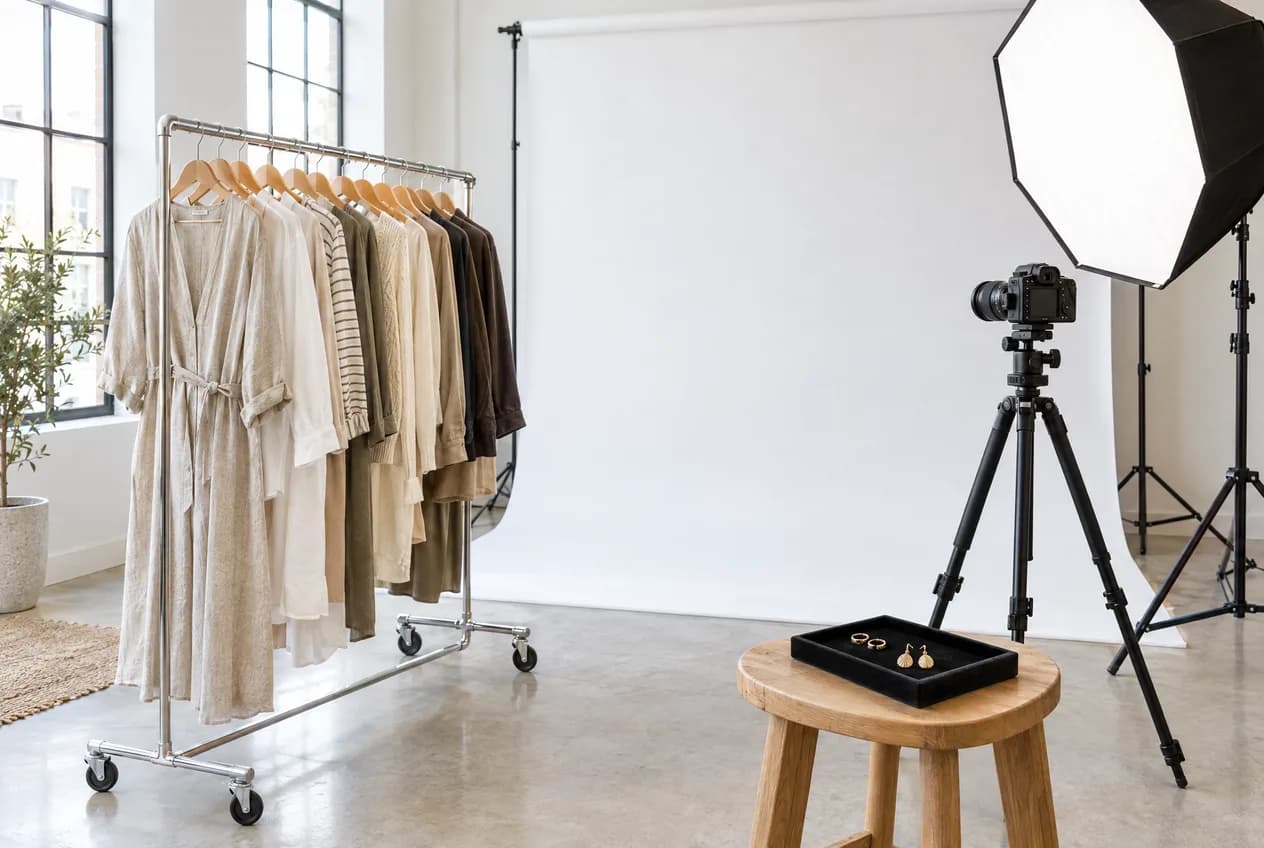
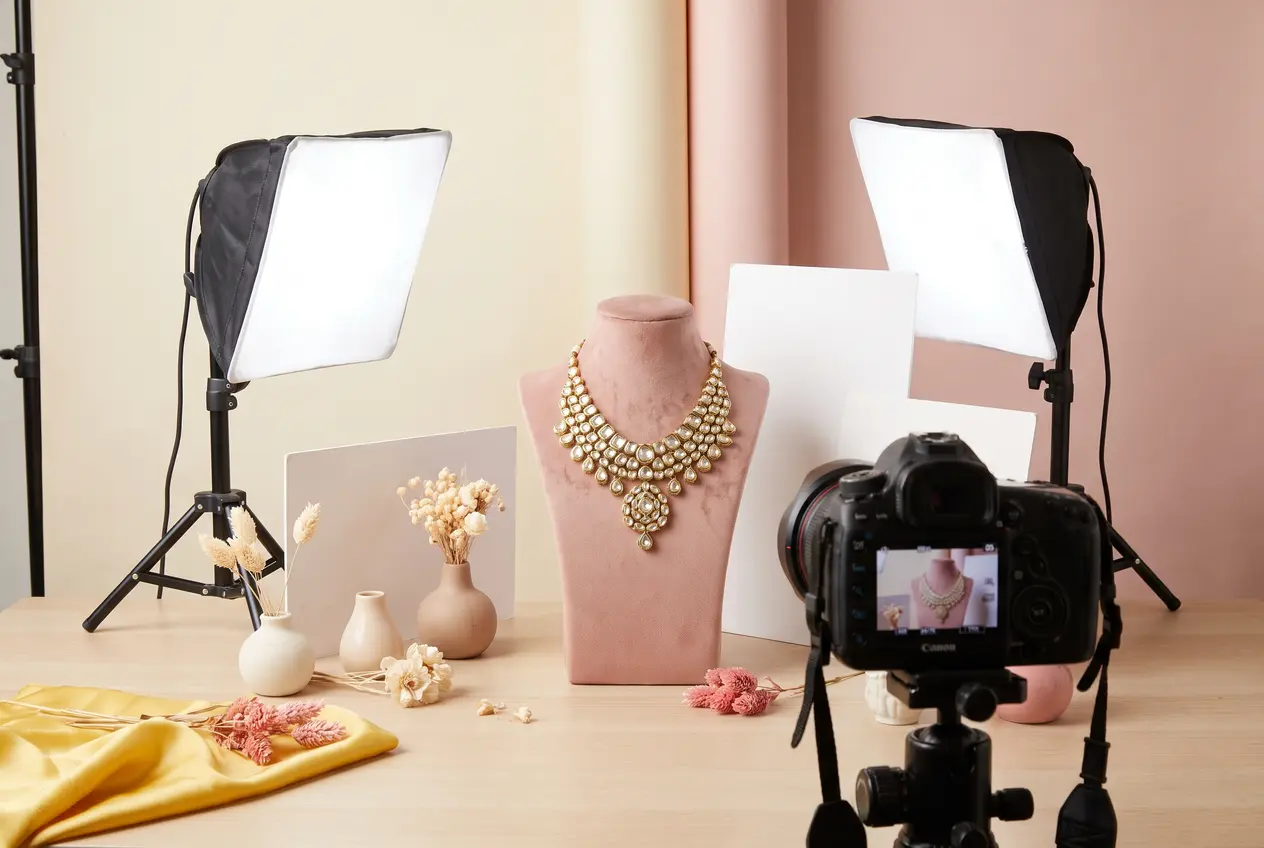
For categories where detail sells, like perfumes and jewellery, plan macro shots and lighting set-ups separately. They take longer than people expect.
Stage 4: Pre-Production
Pre-production is mostly logistics, and it's where most delays can be headed off.
- Studio or location booked, with backup dates
- Talent, models or creators confirmed, with usage rights agreed in writing
- Wardrobe, hair and makeup planned
- Props and product samples ready, with spares
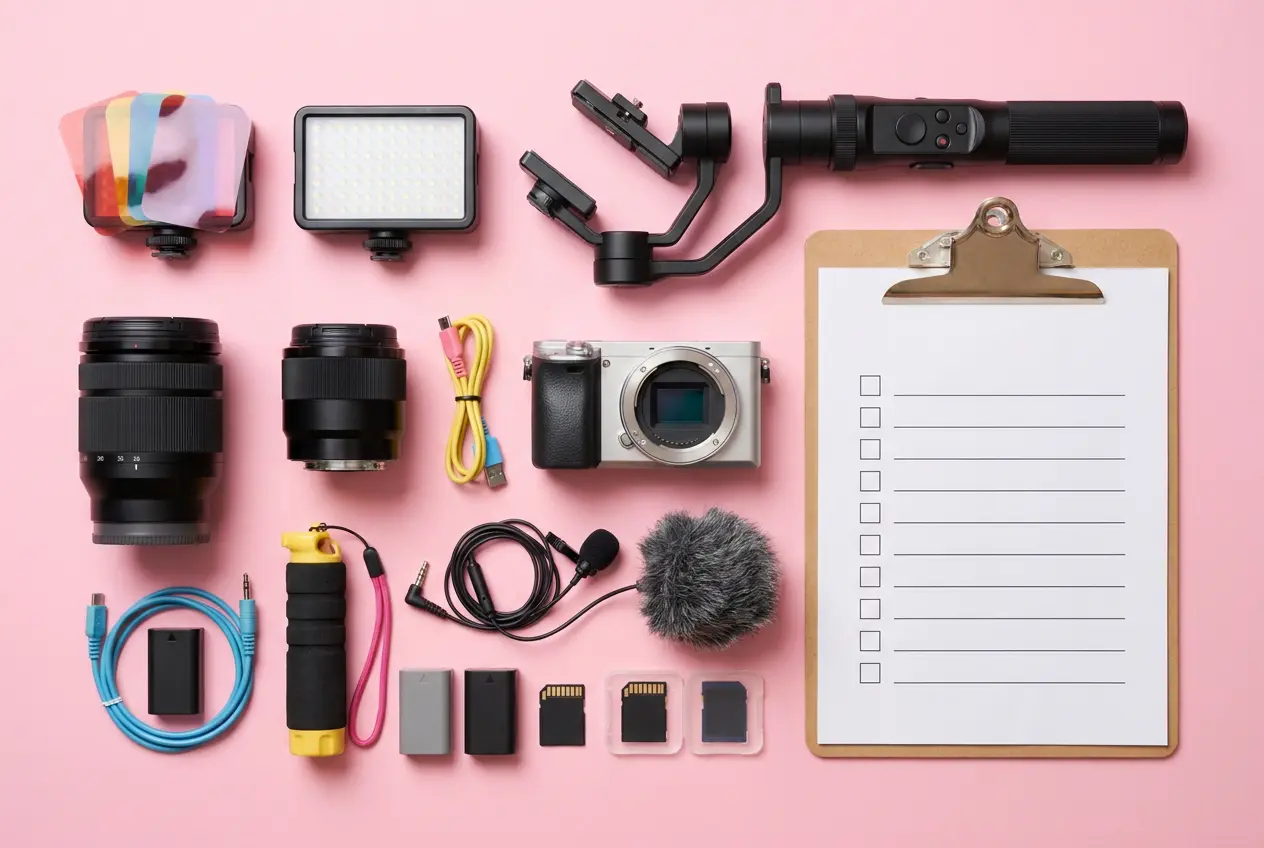
- Lighting plan and equipment list signed off
- Call sheet shared with times, addresses and contacts
Shooting around Diwali or in wedding season? Book well ahead. Crews and studios in Delhi NCR fill up quickly then.
Stage 5: Shoot Day
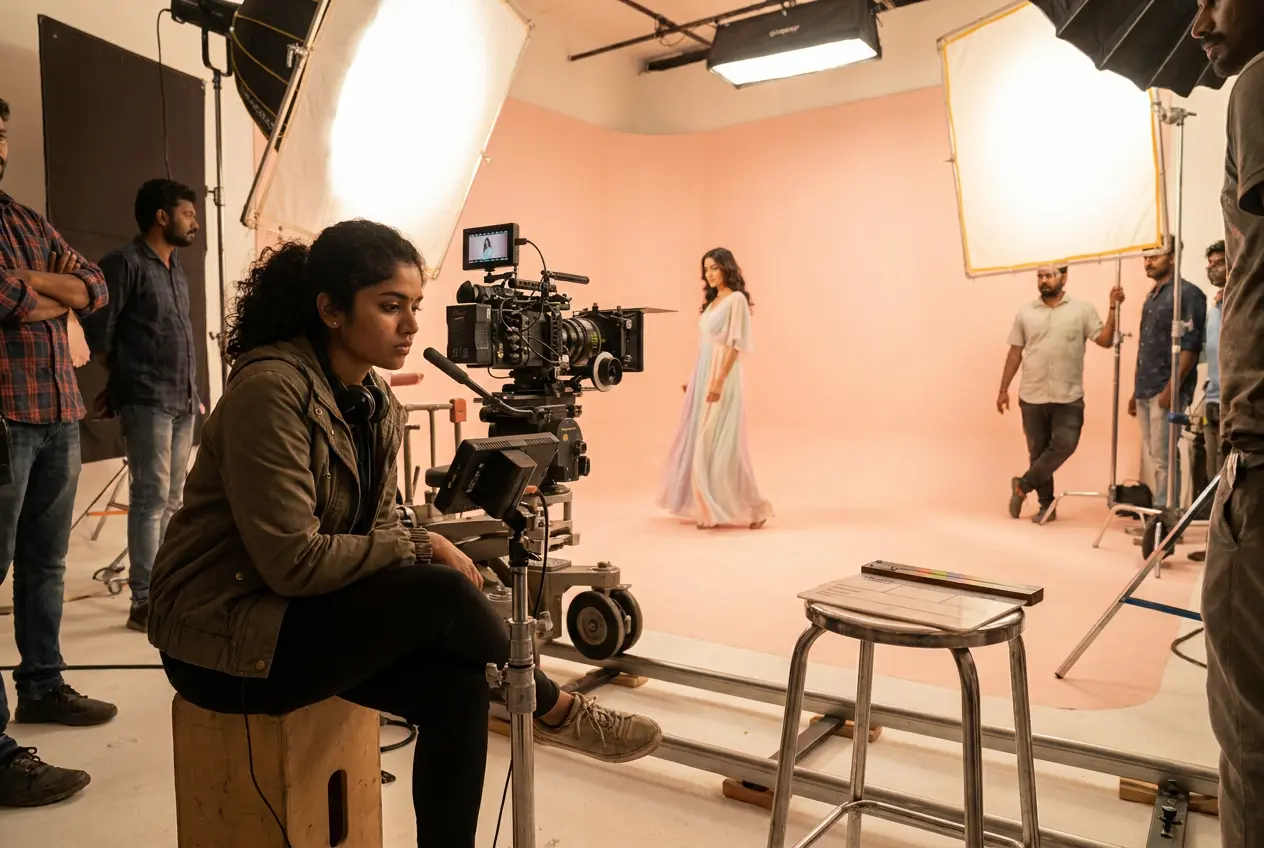
On set, a typical brand video crew includes:
- A director who owns the creative and the performances
- A cinematographer handling camera and lighting
- A stylist for product, set and wardrobe
- A producer keeping the day on schedule and on brief
- Someone from your brand who can approve on the spot
We shoot several takes of the key moments and grab plenty of B-roll, like hands, textures, packaging and the product in use. Editors lean on that extra footage later for cutdowns, ads and behind-the-scenes clips.
If you can, capture stills on the same day. Product photography and video in one shoot saves a second set-up; our product video shoot checklist covers how to plan both.
Stage 6: Audio, Voiceover and Music
Viewers forgive slightly soft footage far sooner than bad sound.
- Use proper microphones for dialogue and creator pieces
- Record voiceovers in a quiet, treated room
- Use licensed music; trending audio on Instagram may not be cleared for ads
- Plan Hindi or regional-language versions before the shoot, not after
Stage 7: Post-Production
The edit is where raw footage turns into something people watch to the end.
- Selects and rough cut
- Review and feedback
- Colour grading
- Motion graphics, product callouts and text overlays
- Sound mix and music
- Subtitles (most people watch Reels on mute)
The same footage should become several assets: a hero film, 15 and 30-second ad cuts, Reels, stories and stills. Our design and video editing team builds these cutdowns for ads and social.
Stage 8: Feedback and Revisions
The first cut is rarely the last. Share it with a small group of decision-makers and ask them for the following.
- Feedback with timestamps
- Notes on tone, pacing and on-screen text
- Any claims or legal changes
Agree how many revision rounds you get before the project starts. Two or three is normal. Past that, deadlines start to slide.
Stage 9: Delivery and Distribution
Once approved, the files go out in every format you need: 9:16 for Reels and stories, 4:5 or 1:1 for feed, 16:9 for YouTube and your website. Name files clearly by platform, length and version.
Then put the video to work:
- Paid campaigns on Meta and Google (see performance marketing)
- Your social calendar
- Product pages and marketplace listings
- Creator collaborations and whitelisted ads
- Email and WhatsApp campaigns
Don't post a good brand video once and forget it. If you're still deciding which videos to make first, our guide to product videos for D2C brands breaks them down by category.
FAQs
How long does a brand video shoot take?
A simple product video can be shot in half a day. A brand film with talent, multiple set-ups and locations usually needs one to two shoot days, plus a few days to two weeks of pre-production and post-production.
What should a brand video brief include?
The objective, audience, key message, platforms and lengths, tone, must-have shots, claims you can make, budget range and deadline.
Should we shoot one long film or many short videos?
Plan one shoot and cut it many ways. A hero film plus short ad cuts, Reels and stills gives you more value from the same day.
Can you shoot stills and video on the same day?
Yes, with planning. Separate the set-ups in the shot list and allow extra time for lighting changes.
Planning a brand video? Our content shoot and production team handles concept, shoot and edit for D2C brands. Share your brief and we reply within 1 business day.