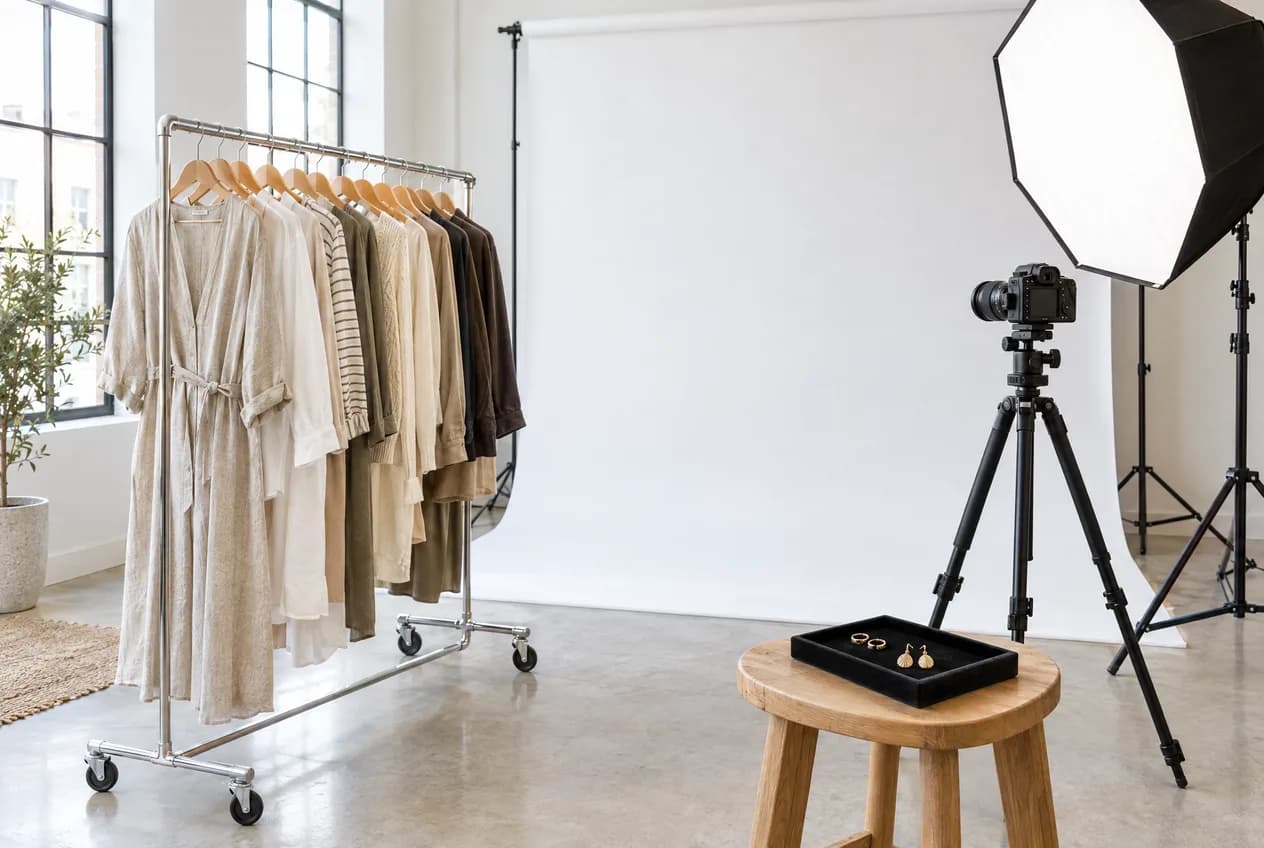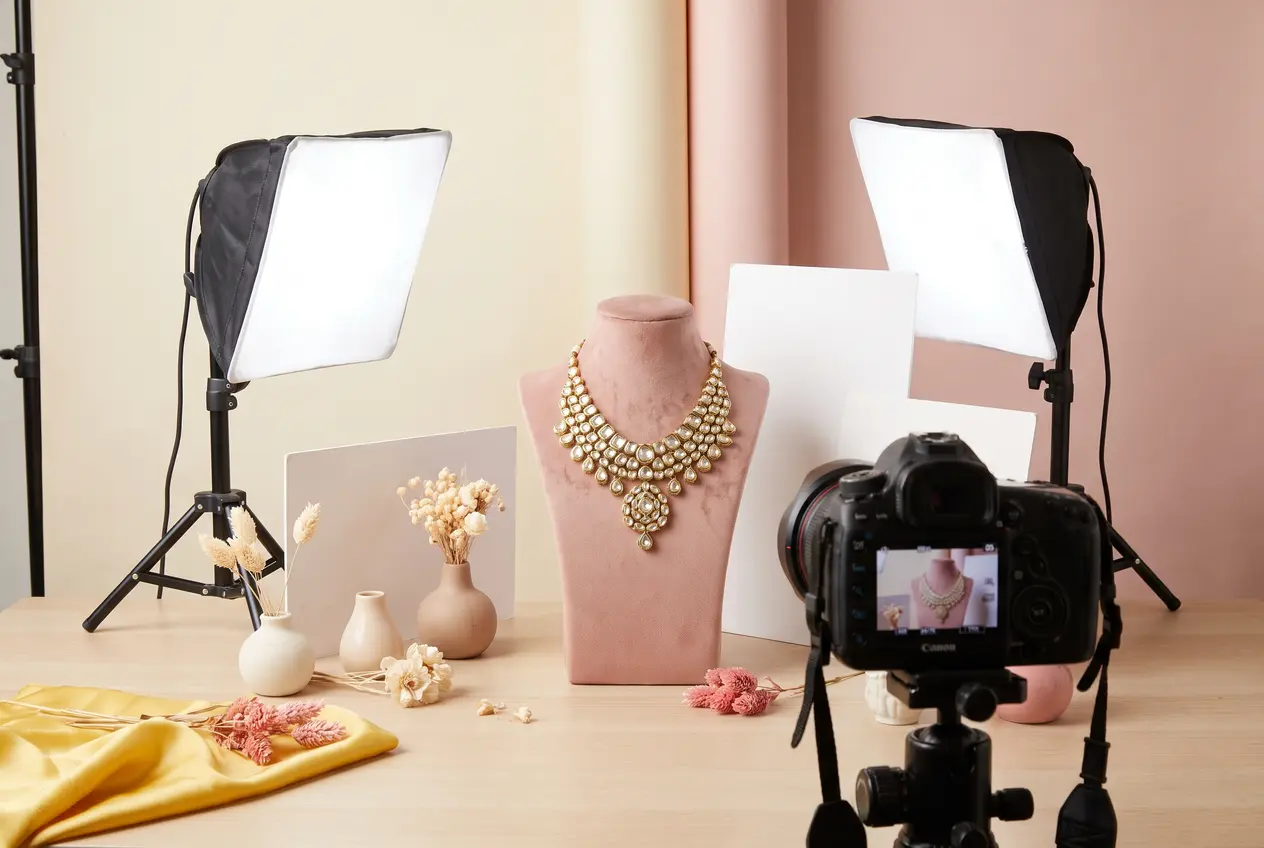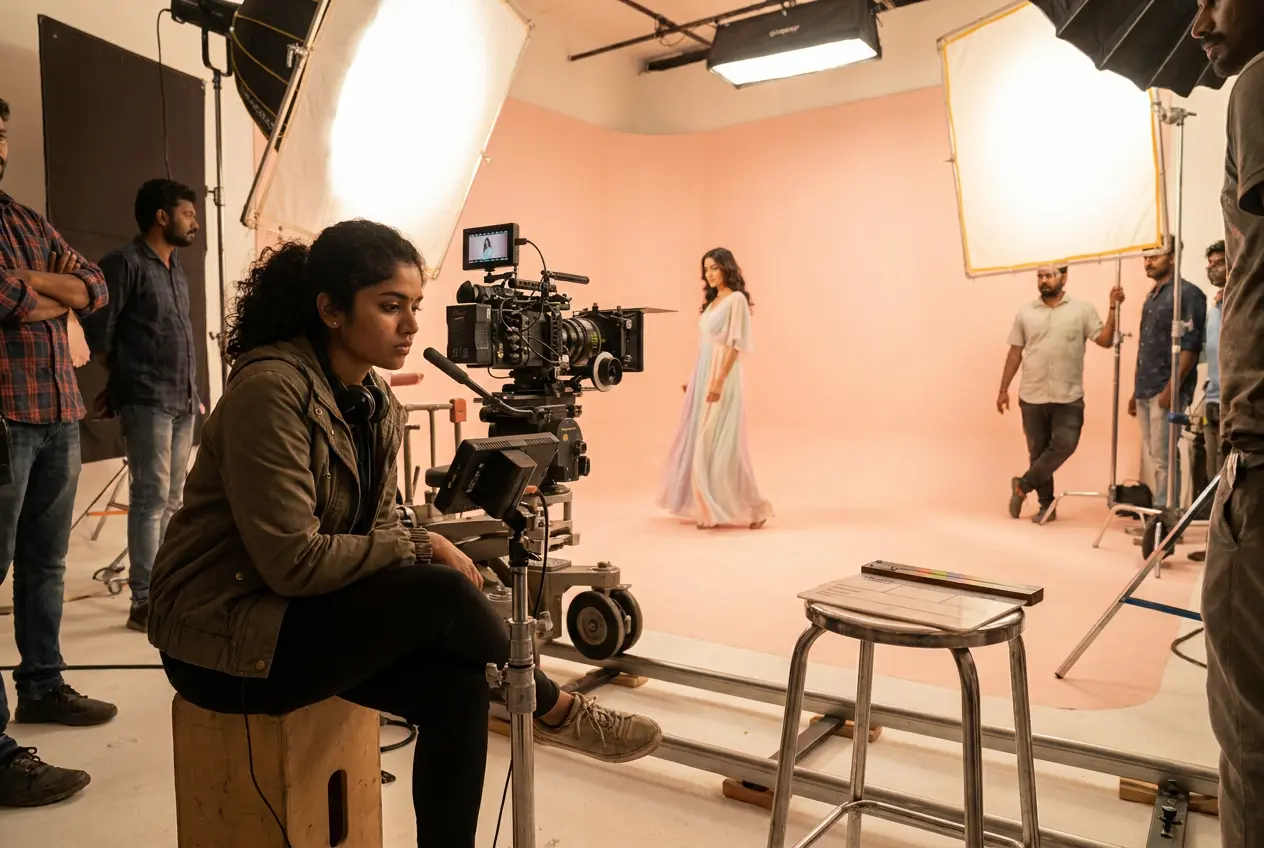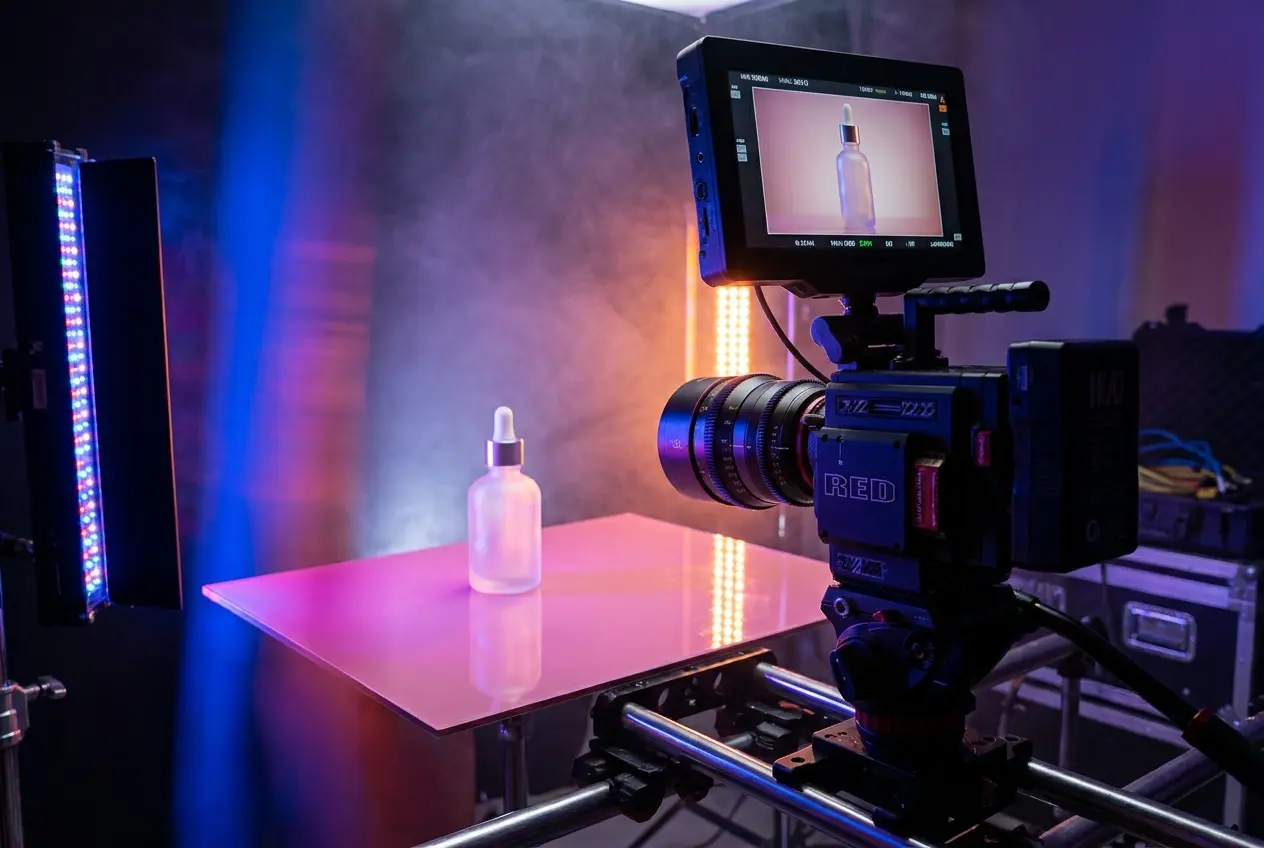
Online shoppers can't touch, try or smell your product. A good product video is the closest thing you can give them. It shows how the product looks in real light, how it moves, how it fits and how it's used, which a static photo can't do on its own.
For most D2C brands we work with in India, product video has quietly become the raw material for everything else: Reels, ads, product pages, marketplace listings, creator collaborations. Below we cover why video marketing pays off at each stage of buying, which product videos to make for your category, and how to squeeze more out of every shoot.
Why Product Video Matters for D2C Brands
It answers questions before they're asked
Most people who hesitate before buying are stuck on a doubt. Will this shade suit me? Is this bag big enough? Does this kurta fall well? A short video that shows the product as it is answers those questions faster than a paragraph of copy ever will.
It signals quality
Careful lighting, clean framing and good sound tell shoppers you care about the details. That matters most for premium products, where cheap-looking visuals undercut the price.
It feeds every channel
A single product video shoot can fill your social calendar with Reels and stories, give your Meta and Google campaigns fresh ad creatives, and still leave you with product page videos, a website banner and short clips for WhatsApp and email. That's why we plan shoots around where the footage will end up, not just what looks good on the day.
It sits alongside creator content
Studio product videos and creator content do different jobs. Studio footage shows the product at its best, while creator videos show a person using it in their own room, on their own skin. The brands that do well use both and cut them into the same campaigns. Our guide to influencer marketing for product launches covers the creator side.
Which Product Video to Make for Your Category
Each category has its own question that shoppers need answered, so that's where we start when planning a shoot.
Skincare: texture and routine
Shoppers want to see the texture, how it spreads, how it absorbs and where it fits in a routine. Shoot macro texture pours and swatches, then a short routine video on skin. Keep claims to what you can support. More on this in our skincare brand marketing page.
Makeup and cosmetics: swatches on real skin tones
Swatches on several Indian skin tones, application in real time and wear shots later in the day help people choose a shade. Show finish (matte, dewy, satin) in natural light as well as studio light. See cosmetics and makeup brand marketing.
Bags: capacity and what fits
The most common question about a bag is "what fits inside?" Film a pack-and-unpack showing a phone, wallet, laptop or water bottle, then show the bag carried and worn. Close-ups of zips, straps, lining and stitching build trust. More in bag brand marketing.
Perfume: mood and story
You can't film a scent, so film the feeling: ingredients, the moment someone wears it, the bottle in light. Perfume video leans on mood, colour and sound. See perfume and fragrance brand marketing.
Jewellery: scale on the model
Jewellery photos often hide the size of a piece. Show it on the model, ear, neck or hand, with movement so stones catch the light, plus macro shots for detail. See jewellery brand marketing.
Clothing: fit and movement
Show the garment moving: walking, turning, sitting. Include fabric close-ups and a quick size and fit explainer with model height and size on screen. See clothing brand marketing.
Use Video at Every Stage of the Funnel
When someone first discovers you, brand story films, behind-the-scenes clips and creator Reels do the work. Once they're considering you, demos, how-to-use videos, comparisons and unboxings take over. At the point of decision, it's close-ups on the product page, customer reviews (with permission) and retargeting ads that remind them about the offer or delivery date.
When you plan a shoot, list which stage each video is for. That stops you shooting ten versions of the same awareness film and nothing for the product page.
Make Video Work in Ads
Most D2C ad accounts run largely on product video. A few things we've learnt from editing it for ads:
- Hook in the first two seconds with the product or the problem, not your logo
- Design for silent viewing with on-screen text and subtitles
- Produce several variations of hooks and openings from the same footage, because ad platforms reward fresh creative
- Shoot vertical first; crop to square and horizontal after
Our performance marketing team plans the creative mix for Meta and Google ads, and our design and video editing team turns shoot footage into ad variations.
Product Video Is More Affordable Than It Looks
The cost per video drops sharply when you plan a batch. In a single well-planned shoot day you can usually capture:
- Hero product shots for every SKU in a range
- Several Reels and demo videos
- Ad hooks and cutdowns
- Stills for your website and marketplace listings
Batching saves set-up time, crew time and studio fees. Use our product video shoot checklist to plan one, and read how a brand video shoot works from script to screen if it's your first.
Mistakes to Avoid
- Shooting only horizontal and cropping later (you'll lose the product)
- No subtitles or on-screen text
- Showing the product only in perfect studio light, never in real use
- One long video and no short cuts
- Claims you can't back up, especially in skincare and wellness
FAQs
What is a product video?
A product video shows a product in detail and in use, so online shoppers can see how it looks, works and fits before they buy. It's used on product pages, social media, ads and marketplaces.
How long should a product video be?
For Reels and ads, 6 to 30 seconds is typical. Product page demos can run 30 to 90 seconds. Make the first two seconds count in every version.
Do I need a studio for product videos?
Not always, but a studio gives you control over light, colour and sound, which matters for beauty, jewellery and perfume. Lifestyle and creator videos often work better in real locations.
How many product videos should a D2C brand make?
At least one demo per hero product, plus a steady flow of short variations for ads and social. Plan shoots in batches so you're not starting from zero every month.
If you'd like help with the next one, our content shoot and production team shoots product videos and photography for D2C brands. Tell us what you sell and we'll reply within 1 business day.