Most D2C categories in India are crowded. Search for a vitamin C serum, a co-ord set or a tote bag and you'll see dozens of products that look and sound almost the same. When the products are that close, the brand is usually what a shopper remembers, and the reason they come back.
A logo is only a small part of brand building. Your brand identity covers why you exist and who you're for, how you look and sound, and how all of that comes through on a product page, in a Reel or in the parcel that lands at someone's door. Here's how we'd build one for a D2C brand in 2026, for a launch or a rebrand.
Brand building starts with why: define your purpose
Shoppers notice brands that stand for something specific. Your purpose is the reason you exist beyond selling a product. It might be a problem you solve, something you believe, or a gap you spotted in the market.
We ask founders to answer these in plain words.
- Why does this brand exist?
- What's the origin story, and is it true and specific?
- What do we do differently from the other brands on the same shelf or marketplace?
- What will we never do?
Once the "why" is clear, messaging, visuals, collaborations and tone all have something to hang on. If you can't say it in two sentences, keep at it before you brief a designer.
Know your audience deeply
Look at what your customers actually do rather than what you assume. You're trying to understand the following.
- Who buys from you today, and who you want to buy next
- What they value (price, ingredients, craft, convenience, status)
- Where they spend time online (Instagram, YouTube, marketplaces, WhatsApp groups)
- How they talk: the words, language mix and references they use
Start with data you already have, such as Google Analytics, your Shopify or WooCommerce orders, Meta Ads Manager audience breakdowns, customer reviews and support chats. Instagram polls and a handful of customer calls fill the gaps. Turn what you learn into two or three short personas and write for them, not for "everyone aged 18 to 45".
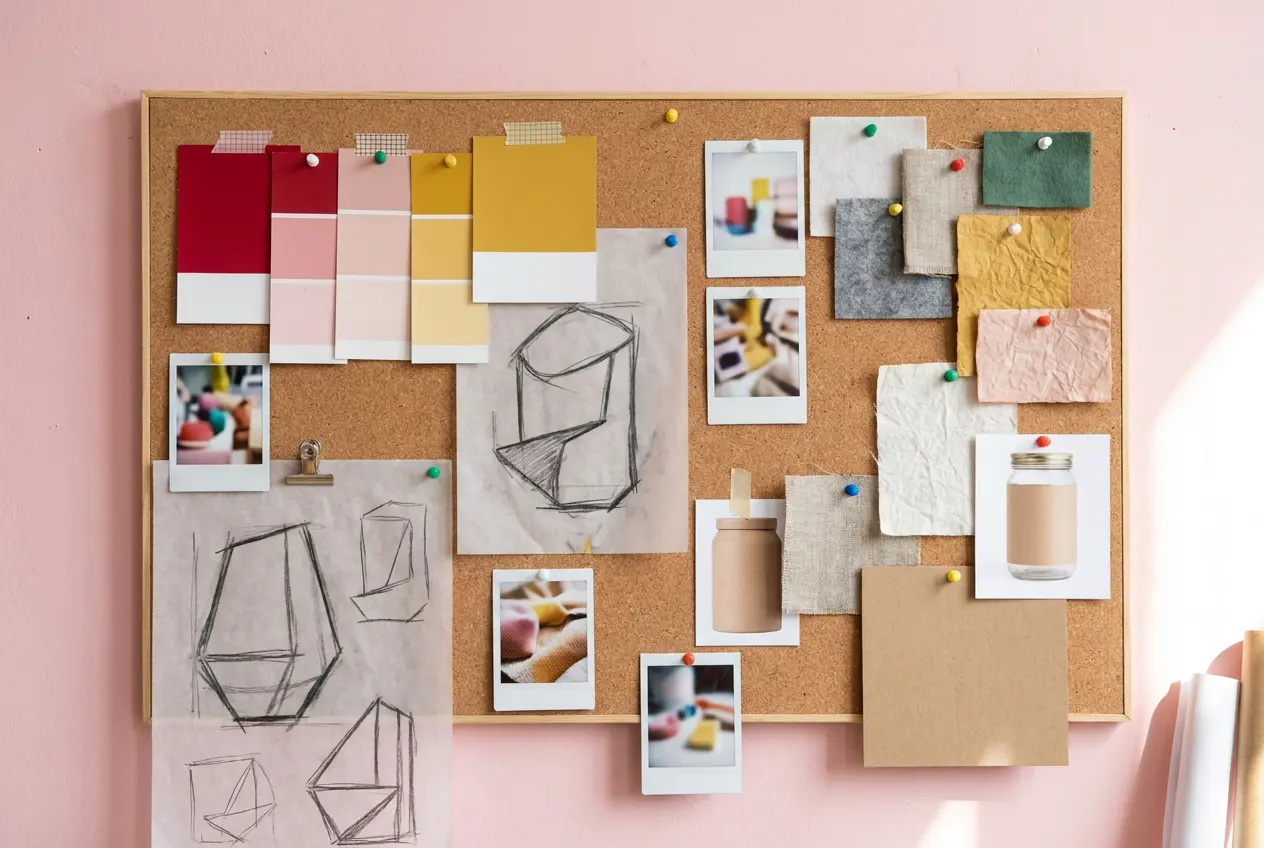
Design a distinct visual identity
On a phone, your visual identity gets about a second to make an impression. The system should cover the following.
- Logo and its variations (stacked, horizontal, icon-only for small sizes)
- A colour palette: two or three primary colours and two or three supporting ones
- Typography: one heading font and one body font, with sizes for web and social
- Iconography, illustration style and graphic devices (stickers, frames, textures)
- A photography and video style: lighting, backgrounds, crops and how people appear
What you want is a system that your team, your agency and your creators can all use to make new assets that still look like you. One beautiful logo won't do that on its own. Our design and video editing team builds these kits as templates for ads, carousels, Reels covers and product pages, so the identity survives daily production.
Nail your brand voice and messaging
If your brand were a person, how would it talk? Work out where you sit on a few scales.
- Formal or casual?
- Expert or friendly peer?
- Witty or calm?
- English only, or Hinglish and regional languages where your audience uses them?
Then write the basics down so nobody has to guess.
- Tagline and a one-line positioning statement
- A short elevator pitch and an About section
- Caption style (length, emoji use, hashtags, calls to action)
- How you reply to comments, DMs and complaints
Put it into a short brand voice playbook with "say this, not that" examples. Share it with everyone who writes for you, including creators and freelancers.
Build emotional and cultural relevance
People stick with brands they feel part of. In India, a lot of that comes from showing up around moments your customers already care about.
- Festivals and seasons: Diwali, Raksha Bandhan, wedding season, monsoon, back-to-college
- Stories: how the founder started, how the product is made, customers using it at home
- Emotions that fit your category: confidence for beauty, nostalgia for devotional products, pride for craft and jewellery
Be careful with trends and memes. Use the ones that fit your voice, and skip the ones that would feel forced.
Extend your identity to packaging, social and ads
Your identity has to hold up everywhere a customer meets you, well beyond the website.
- Packaging and unboxing: colours, inserts, a thank-you note in your voice. This is often the first physical contact a customer has with your brand.
- Instagram: a grid and Reels covers that feel cohesive without being repetitive.
- Ads: creatives that still look like you when they're cut down to a 6-second hook. Video carries identity further than static images; here's why D2C brands need high-quality product video.
- Product pages: consistent photography, copy and size or shade guides.
People remember what they see repeatedly. The more consistently your identity shows up, the sooner it sticks. Consistent visuals start with a planned shoot; our guide to the brand video shoot process from script to screen shows how to plan one, and our content shoot and production service covers product, model and UGC-style content in one place.
Category examples
Different categories lean on different parts of the identity:
- Skincare: trust comes first, so think clean layouts, ingredient-led copy and texture shots that show the product as it is. See how we approach skincare brand marketing.
- Clothing: movement, fit and attitude. A strong lookbook style and creator-led try-ons. See our work for clothing and fashion brands.
- Jewellery and perfumes: detail, mood and occasion. Macro shots and storytelling around gifting.
Use AI tools without losing the human touch
Most creative teams, ours included, now use AI tools somewhere in the process. They're useful for speed.
- Image generators for early moodboards and packaging mock-ups
- Writing assistants for brainstorming headlines and caption variations
- AI voiceovers and captions for faster video drafts
The judgement still has to come from people. Decide what fits your brand, edit what the tools give you, and say so when an image is AI-generated rather than a photo of the actual product.
Collect feedback and refine
An identity changes over time. Keep an eye on how it's landing through these.
- Customer surveys and reviews
- Instagram polls and comments
- A/B tests on ad creatives, product page layouts and packaging inserts
Make changes deliberately, once or twice a year. Small tweaks every week just leave people unsure what you look like.
FAQs
What is a brand identity for a D2C brand?
It's the combination of your purpose, audience, visual identity, voice and how they show up across your website, packaging, social media and ads. For a D2C brand it has to work on a phone screen first.
How is brand building different from a logo?
A logo is one element. Brand building is the ongoing work of making your brand recognisable and trusted: consistent visuals, messaging, content and customer experience over time.
What should a brand identity kit include?
Logo variations, colour palette, fonts, graphic elements, photography and video style, a voice playbook and ready-to-use templates for social posts, ads and product pages.
When should a D2C brand rebrand?
When the current identity no longer fits your audience, your price point or your product range, or when it can't be applied consistently across channels. Small fixes to templates often solve the problem without a full rebrand.
Need help shaping yours? GrooveNexus Studios builds brand identity systems for D2C brands, from visual kits to launch content, through our design and video editing service. Tell us about your brand and we reply within 1 business day.